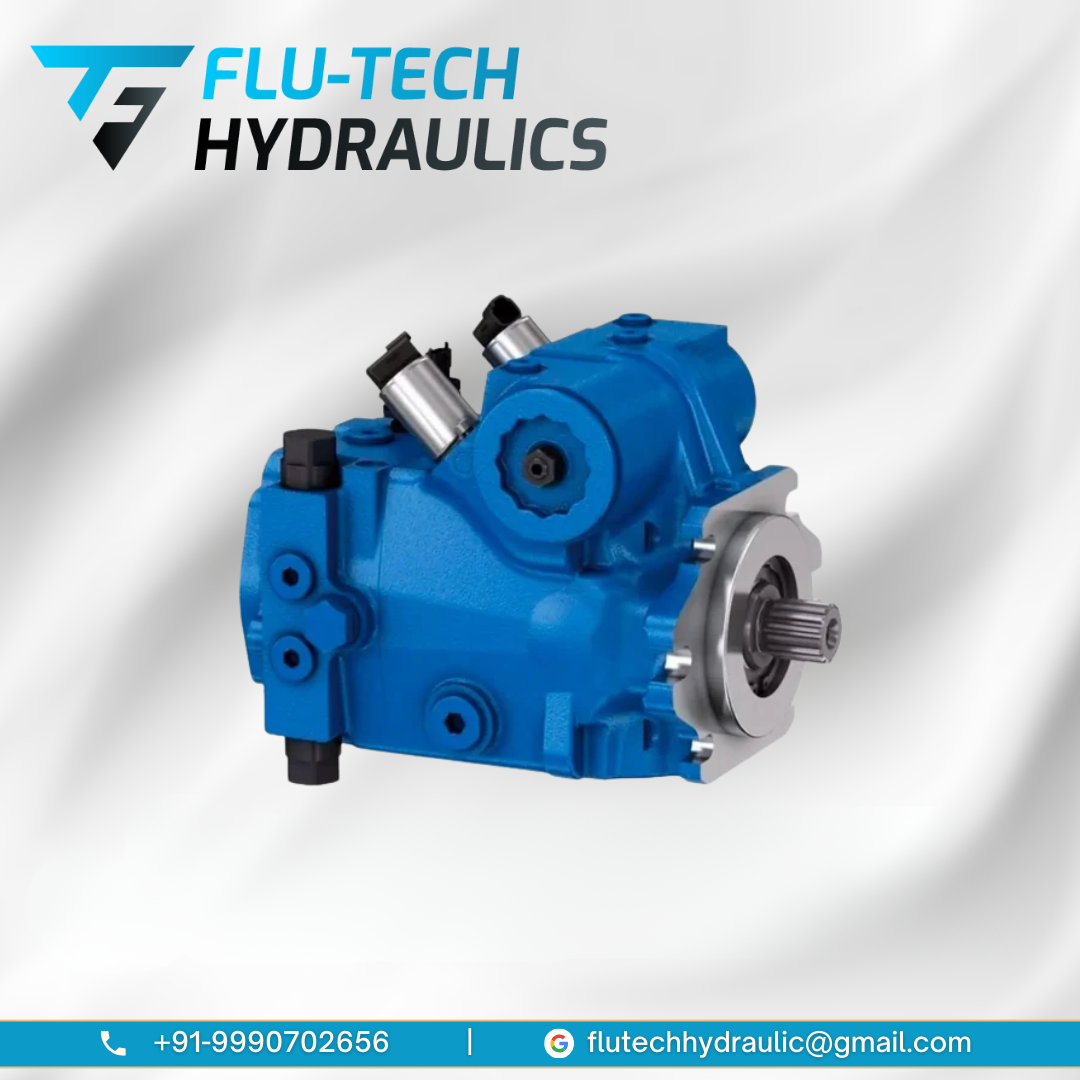
Hydraulic Piston Pump Repair Service

Hydraulic Piston Pump Repair Service

At Flu Tech Hydraulic, we specialize in hydraulic piston pump repair services designed to extend the life of your equipment and restore full functionality. Piston pumps are essential components in high-pressure hydraulic systems, and when they fail, productivity can grind to a halt. That’s why our technicians are trained to handle all aspects of piston pump diagnostics, servicing, and repairs with precision and care.

Expert Repair for All Types of Hydraulic Piston Pumps

Whether your pump is axial, radial, bent-axis, or inline, our team has the experience and tools to restore it to peak operating condition. We service all major brands and models of hydraulic piston pumps used in construction, agriculture, manufacturing, marine, and heavy industry.

From troubleshooting internal leakage and low pressure to correcting contamination damage and worn-out components, we ensure every unit is carefully inspected, rebuilt with high-quality parts, and tested for performance before it leaves our shop.

Why Choose Flu Tech Hydraulic for Piston Pump Repair?

  • Factory-Trained Technicians: Our repair experts are skilled in OEM standards for all leading brands.
  • In-Depth Diagnostics: We use advanced equipment to pinpoint failures and prevent future breakdowns.
  • Cost-Effective Repairs: Save thousands by repairing instead of replacing your piston pump.
  • OEM & High-Grade Parts: We use only the best components to ensure long-lasting results.
  • Fast Turnaround: We prioritize your uptime and deliver repairs quickly without compromising quality.
  • Pickup & Delivery Available: Let us handle logistics while you focus on operations.

Common Hydraulic Piston Pump Issues We Repair

  • Loss of hydraulic pressure or flow
  • Excessive noise or vibration
  • Internal fluid leakage
  • Damaged pistons, cylinders, or bearings
  • Overheating or cavitation
  • Seal failure or contamination issues

If you're noticing any of these signs, your piston pump may be in danger of failing. Trust Flu Tech Hydraulic to quickly assess and repair your equipment before it results in costly downtime.

Industries We Serve

  • Construction & Earthmoving
  • Farming & Agricultural Machinery
  • Manufacturing & Production Plants
  • Oil & Gas Equipment
  • Mining & Drilling Operations
  • Marine & Offshore Systems

FAQS

  • Directional Control Valves
    • Manual
    • Solenoid-operated
    • Pilot-operated
  • Pressure Control Valves
    • Relief Valves
    • Reducing Valves
    • Sequence Valves
    • Counterbalance Valves
  • Flow Control Valves
    • Fixed
    • Adjustable
  • Proportional Valves
    • Electronic control for precise flow/pressure
  • Servo Valves
    • Very high-precision, electro-hydraulic

  • Poor System Performance: If your hydraulic system is losing power or not performing as expected (e.g., slow operation or weak movements), it could be due to a faulty valve.
  • Erratic or Unpredictable Movements: If the hydraulic actuators (cylinders or motors) behave unpredictably, such as jerking, sticking, or stopping abruptly, the valve may not be regulating the flow or pressure properly.
  • Leaks: Visible oil leakage around the valve can indicate worn seals or other internal damage, which can cause performance issues and system contamination.
  • Strange Noises: Unusual noises, such as whining, grinding, or chattering sounds, can indicate that the valve is malfunctioning, possibly from internal wear or a blockage.

  • Availability of Spare Parts: Some manufacturers may have proprietary components that are harder to source or require specialized parts for repairs.
  • Expertise: Some valves, particularly advanced ones like servo or proportional valves, may require technicians with specific training or certification to repair them.
  • Manufacturer-Specific Tools: Some valves, especially those from well-known brands, may need special tools or calibration equipment to ensure proper repair and performance.

  • Type of Valve: Basic valves (like directional or pressure control valves) may be cheaper to repair than more complex ones (like servo or proportional valves).
  • Manufacturer: Repairing valves from well-known brands may sometimes cost more due to the need for specialized parts and tools.
  • Severity of Damage: If the valve is severely damaged or has worn-out internal components, it may require a complete rebuild, which will cost more than a simple repair or seal replacement.
  • Labor Costs: Depending on where you're located, labor rates can vary. Repairs that involve more detailed diagnostics or disassembly will generally cost more.

  • Research local or specialized repair shops: Look for hydraulic repair services that specialize in the type of valve you need repaired. You can search online or ask for recommendations from others in the industry.
  • Contact them for information: Ensure they can repair the specific brand and type of valve you have. Some services offer free diagnostics or an initial consultation.

Hydraulic Piston Pump Repair Service


call icon
whatsapp icon
whatsapp icon